

Understanding OFAC Blocked Transactions: Risks and Compliance
In an increasingly interconnected global economy, the governance of financial transactions has become paramount in ensuring national security and enforcing foreign policy. One particularly important regulatory body in the United States is the Office of Foreign Assets Control (OFAC). OFAC is responsible for administering and enforcing economic and trade sanctions against targeted foreign countries and regimes, terrorists, international narcotics traffickers, and those involved in activities related to the proliferation of weapons of mass destruction. These sanctions often manifest in the form of OFAC blocked transactions, which can significantly impact businesses operating within and outside the U.S. To further understand the intricacies and ramifications of OFAC blocked transactions, I recommend reading this comprehensive guide: OFAC blocked transactions https://aproquen.org/articles/ofac-blocked-transactions-explained.html.
The Basics of OFAC and Its Sanctions Programs
OFAC operates under the U.S. Department of the Treasury and utilizes various sanctions programs to regulate financial transactions. These programs may impose restrictions on specific countries, individuals, or entities. The sanctions are designed to prevent nationals and businesses from engaging in transactions that could benefit those who threaten U.S. interests. Violation of OFAC’s regulations can lead to significant penalties, including hefty fines and criminal charges against responsible individuals or entities.
What Constitutes an OFAC Blocked Transaction?
An OFAC blocked transaction typically refers to any deal or agreement that involves a person, entity, or country that is on the OFAC Specially Designated Nationals (SDN) List. This can include financial transactions such as fund transfers, loans, and asset management activities. If a transaction involves parties that are sanctioned, it must be blocked or rejected to maintain compliance with federal law.
Types of Sanctions
OFAC sanctions can be broadly classified into different categories, including:
- Comprehensive Sanctions: These apply to entire countries, prohibiting U.S. persons from all dealings with those nations, such as North Korea and Iran.
- Targeted Sanctions: These target specific individuals and entities, allowing other transactions that do not involve listed parties.
- Sectoral Sanctions: These limit specific sectors of a country’s economy and may restrict certain types of transactions, commonly applied to countries like Russia.
The Implications of Blocked Transactions for Businesses
For businesses, encountering an OFAC blocked transaction can lead to various implications:

- Financial Loss: Funds may be frozen or delayed, affecting cash flow and operational capabilities.
- Reputational Risks: Being associated with a blocked transaction can harm a company’s reputation, making partners and clients wary.
- Legal Consequences: Companies may face significant legal penalties, including fines that can reach millions of dollars.
- Compliance Challenges: Businesses must invest in compliance programs and training to adequately assess risks and adhere to regulations.
How to Identify and Mitigate Risks
Identifying potential OFAC blocked transactions requires a comprehensive risk assessment and due diligence processes. Here are steps that businesses can take:
- Screen Against the SDN List: Regularly screen customers, vendors, and third parties against the OFAC SDN List and other relevant lists to identify potential risks.
- Implement Robust Compliance Programs: Develop internal protocols, conduct employee training, and maintain an awareness of current sanctions to ensure alignment with OFAC regulations.
- Consult Expert Advisors: Engaging with legal and financial experts can provide valuable insights into navigating complex regulations and maintaining compliance.
- Document Everything: Keeping detailed records of all transactions and due diligence steps taken can be essential for demonstrating compliance should a review or audit occur.
Case Studies: Consequences of Non-Compliance
Several high-profile cases of non-compliance serve as cautionary tales for businesses:
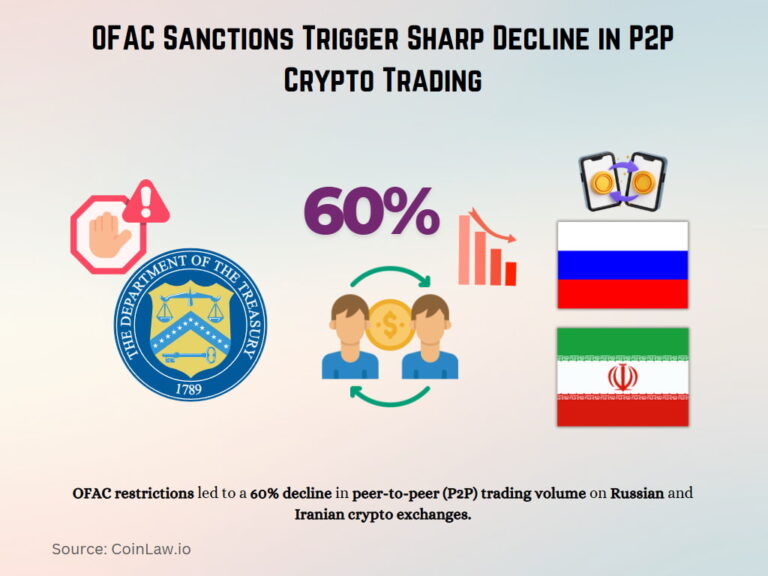
For example, in 2019, a prominent financial institution was fined over $1.2 billion for processing transactions linked to sanctioned individuals. This not only resulted in financial loss but also caused irreparable damage to the institution’s reputation. Other cases have involved businesses being completely barred from providing services or entering specific markets due to repeated violations.
The Future of OFAC and Sanctions Enforcement
As global political landscapes evolve, OFAC continues adapting its sanctions programs. Recent trends indicate an increase in international cooperation for imposing sanctions in areas involving human rights violations and cyber-attacks. Businesses must be vigilant and proactive in keeping abreast of new regulations and potential shifts in policy.
Conclusion
Understanding OFAC blocked transactions is critical for any business operating in or with the U.S. Ensuring compliance not only protects against legal repercussions but also safeguards a company’s reputation and operational sustainability. By implementing robust screening processes and maintaining an informed approach to sanctions, businesses can navigate the complexities of international trade and finance while aligning with national security goals.
For further insights into OFAC regulations and blocked transactions, resources such as the OFAC Blocked Transactions Explained article can provide essential guidance.
